
Babies and young children with all degrees of hearing loss can learn to listen and speak. However, awareness for this potential outcome and the essential family support to enable it is limited in much of the world. I started the Global Foundation For Children With Hearing Loss (GFCHL) in 2009 to help change this reality.
Whether in Vietnam, Mongolia, Ecuador, Nepal or Kenya, the challenges have been similar. There is:
- Widespread unfamiliarity and misinformation about pediatric hearing loss and available solutions.
- Stigma and cultural bias.
- High cost of hearing technology.
- Exclusion of pediatric hearing loss in government health and education policies.
- Absence of screening programs and referral processes.
- Unclear direction for families seeking appropriate habilitation.
Such hurdles stall timely identification and delay family action towards critical interventions, resulting in sub-optimal outcomes.
The root of many of these challenges is a global shortage of professionals with specialized skills and expertise to administer services to young children with hearing loss and guide families at each stage of care from early identification to habilitation. Such professionals also help influence policy and contribute to the establishment of programs that would resolve gaps in hearing health care and early intervention services in their countries.
The worldwide demand for skilled professionals to support children with hearing loss and their families outstrips supply. This shortfall is even more pronounced in rural and underserved areas where healthcare resources are limited.
As more governments incorporate newborn hearing screening into their health policies and begin making hearing aids and cochlear implants more accessible, the demand for pediatric audiology, auditory-verbal therapy, and early intervention services will continue to rise.
All this begs the question: What can be done to increase capacity to serve families of young children with hearing loss in regions where information and professional expertise are limited or not available at all?
The Holistic Model of the Global Foundation For Children With Hearing Loss
The GFCHL has been addressing this question for the past 15 years. We collaborate with partners in low- and middle-income countries to establish the Continuum of Care (CoC) that babies and young children 0-5 years of age with hearing loss need to listen, speak, and thrive.
The GFCHL defines the CoC as:1) early identification of hearing loss, 2) timely fitting of hearing technology, 3) family support and guidance, and 4) access to locally-based professionals in pediatric audiology, auditory-verbal therapy, and early intervention.
Our model is unique in that we address the entire CoC. We also do not provide direct service. Instead, we focus on building up local capacity so that the people in the country can support the needs of their own babies and young children with hearing loss and their families.
Teaching Others to Fish
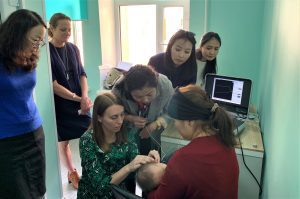
Fundamental to our work is our proprietary, multi-year training curriculum with tracks covering pediatric audiology, auditory-verbal therapy, and early intervention. We tailor our curriculum to meet the expertise level of the participants, the local language, and cultural mores. By involving the participants in this process, they take ownership of their learning and have a stake in how the GFCHL curriculum will be applied in their country.
The GFCHL professional team teaches our curriculum in a series of cumulative, in-country workshops taught over a period of years. The same group of local participants advance through the curriculum and build their knowledge and skills over time. Our goal is to empower them to provide services to families and to prepare them to train others in the country to make the benefits exponential and sustainable.
Application of GFCHL Training to the Continuum of Care
As a familiar saying goes, “Education is not the filling of a bucket, but the lighting of a fire.” Our partners often apply knowledge gained from the GFCHL training programs to raise awareness in their country and develop new services for children 0-5 years of age with hearing loss learning to listen and speak. The GFCHL spends several years in the countries where we work to help them achieve shared goals.
In Vietnam for instance, one of our program graduates started an early intervention center in her rural province that is based on the GFCHL’s teachings. It is the first of its kind in the region and serves over 70 young children with hearing aids and cochlear implants every year. The children are provided with audiology and early education support in preparation for inclusion in local mainstream schools.
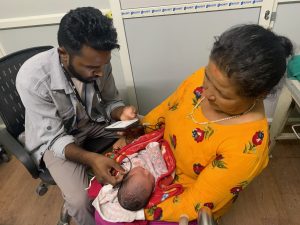
In Mongolia, we helped to establish newborn hearing screening at all maternity hospitals in the capital of Ulaanbaatar by providing training, equipment, and technical support. Those we trained began taking responsibility for training others. During the Covid pandemic, the Mongolians were able to continue strengthening and expanding newborn hearing screening outside of the capital despite limitations on GFCHL international travel because they had been empowered to do so.
Benefits of Task Shifting
Task shifting is an innovative solution that has gained traction in the public health arena to address the shortage of skilled providers. It involves delegating specific actions from professionals with advanced training to those with less specialized training. The goal is to leverage available human resources, ensuring that every team member can contribute to their fullest potential within their scope of competence. This approach not only alleviates the demand for highly skilled professionals but also empowers other workers, facilitates broad distribution of information, and scales the delivery of services to more families.
The concept of task shifting is not new. It has been practiced in various forms across different cultures and industries. It originated as an emergency response to workforce shortages during crises, such as wars or pandemics. Over time, as the benefits of this approach became more apparent, task shifting has evolved into a structured strategy backed by policy frameworks and training programs. The World Health Organization has endorsed task shifting within Ear and Hearing Care.
Applying the GFCHL Training Model to Task Shifting in Nepal
The GFCHL’s training model enables this task shifting approach. In Nepal for instance, there are much greater numbers of community health and education workers than there are audiology and speech therapy professionals. Additionally, families in remote regions travel to their local health clinics to receive care.
We collaborated with a local hospital in Kathmandu to design and implement a service delivery model for babies and young children that leverages these health clinics and utilizes community ear health workers, social workers, and professionals. They all participated in the GFCHL training programs in pediatric audiology and auditory-verbal therapy. The GFCHL also provided screening and audiology equipment and a supply of hearing aids.
The GFCHL professional volunteer team recommended a protocol that delegated the various steps within the CoC among this combined workforce that was adopted and implemented by the Nepali hospital.
For instance, the community ear health workers are responsible for screening newborns and young children at the remote health clinics and tracking them. They refer families whose children do not pass to the hospital for additional testing. The hospital team of ENT doctors, audiologists, and social workers diagnose, fit hearing aids, provide ongoing audiology care, assess the children, and manage therapy plans.
The community ear health workers were trained by the GFCHL to support the family therapy plans in the areas where they live. They also are a first point of contact for the families and liaise with the hospital for any issues related to the children’s hearing and speech. The vision is that the entire team of professionals and health workers collaborate to support the families.
Task Shifting Challenges and Considerations
While the benefits of task shifting are substantial, implementing such an approach requires advance planning and consideration of several factors to ensure success and sustainability.
A main concern is maintaining quality of services. Delegating tasks to less-specialized individuals can potentially compromise the standard of care if not properly managed. Therefore, a structure of supervision and continuous evaluation are required to ensure that the quality of services remains high. A training program for less experienced workers on specific functions assigned to them, such as that taught by the GFCHL, is essential.
Resistance to change is another potential barrier. Professionals and organizations may be hesitant to adopt task shifting due to concerns about job security, professional identity, or perceived loss of control. Clear guidelines and protocols must be established to support the new roles and responsibilities taken on by the providers. Transparent communication and involvement of all stakeholders in the planning process can help alleviate potential “turf wars” or distrust from manifesting.
The benefits of a robust training program like that provided by the GFCHL can be incorporated into a task shifting framework to result in increased capacity to serve families of young children with hearing loss in low resource areas when cultural and structural considerations are met.
For more information about the Global Foundation For Children With Hearing Loss, visit https://childrenwithhearingloss.org/.
Paige Stringer is the Founder and Executive Director of the Global Foundation For Children With Hearing Loss (GFCHL). Born with a severe to profound hearing loss, Paige benefitted from early identification, hearing technology, and early intervention services as a baby to learn to listen and speak. She established the GFCHL to help babies and very young children with hearing loss living in low resource countries access similar services as she benefited from so they can listen, talk, and thrive.
Cómo abordar la escasez mundial de profesionales con conocimientos especializados y ampliar el alcance
Los bebés y los niños pequeños con cualquier grado de pérdida auditiva pueden aprender a escuchar y hablar. Sin embargo, la concienciación sobre este resultado potencial y el apoyo familiar, que es esencial para hacerlo posible, son limitados en gran parte del mundo. En 2009 puse en marcha la Global Foundation For Children With Hearing Loss (GFCHL, Fundación global para niños con pérdida auditiva) para ayudar a cambiar esta realidad.
Tanto en Vietnam como en Mongolia, Ecuador, Nepal o Kenia, los retos han sido similares:
- Desconocimiento generalizado y desinformación sobre la pérdida auditiva pediátrica y las soluciones disponibles.
- Estigma y prejuicios culturales.
- Alto costo de la tecnología auditiva.
- Exclusión de la pérdida auditiva pediátrica en las políticas gubernamentales de salud y educación.
- Ausencia de programas de detección y procesos de derivación.
- Orientación poco clara para las familias que buscan una habilitación adecuada.
Estos obstáculos impiden la identificación a tiempo y retrasan la actuación de la familia en favor de intervenciones críticas, lo que da lugar a resultados subóptimos.
La raíz de muchos de estos problemas es la escasez mundial de profesionales con habilidades y conocimientos especializados para prestar servicios a niños pequeños con pérdida auditiva y orientar a las familias en cada etapa de la atención, desde la identificación precoz hasta la habilitación. Estos profesionales también ayudan a influir en las políticas y contribuyen al establecimiento de programas que resolverían las deficiencias en la atención médica auditiva y los servicios de intervención temprana en sus países.
La demanda mundial de profesionales cualificados para ayudar a los niños con pérdida auditiva y a sus familias supera la oferta. Esta escasez es aún más acusada en las zonas rurales y desatendidas, donde los recursos sanitarios son limitados.
A medida que más gobiernos incorporen el cribado auditivo neonatal a sus políticas sanitarias y empiecen a hacer más accesibles los audífonos y los implantes cocleares, aumentará la demanda de servicios de audiología pediátrica, terapia auditivo-verbal e intervención temprana.
Por todo esto, se plantea la pregunta: ¿Qué se puede hacer para aumentar la capacidad de atender a las familias de niños pequeños con pérdida auditiva en regiones donde la información y los conocimientos especializados profesionales son limitados o ni siquiera están disponibles?
El modelo holístico de la Global Foundation For Children With Hearing Loss
La GFCHL lleva 15 años abordando esta cuestión. Colaboramos con socios de países de renta baja y media para establecer el Proceso continuo de atención (Continuum of Care, CoC) que los bebés y niños pequeños de 0 a 5 años con pérdida auditiva necesitan para escuchar, hablar y desarrollarse.
La GFCHL define el Proceso continuo de atención como: 1) identificación temprana de la pérdida auditiva, 2) facilitación temprana de tecnología auditiva, 3) apoyo y orientación familiar, y 4) acceso a profesionales locales de audiología pediátrica, terapia auditivo-verbal e intervención temprana.
Nuestro modelo es único en el sentido de que nos dirigimos a todo el Proceso continuo de atención. Tampoco prestamos servicios directos. Lo que hacemos es centrarnos en desarrollar la capacidad local para que la población del país pueda atender las necesidades de sus propios bebés y niños pequeños con pérdida auditiva y de sus familias.
Enseñar a otras personas «a pescar»
Un elemento fundamental de nuestro trabajo es nuestro plan de formación propio, de varios años de duración, con módulos que abarcan la audiología pediátrica, la terapia auditivo-verbal y la intervención temprana. Adaptamos nuestro plan de estudios al nivel de los conocimientos de los participantes, al idioma local y a las costumbres culturales. Al implicar a los participantes en este proceso, se hacen cargo de su aprendizaje y participan en la implementación del plan de estudios de la GFCHL en su país.
El equipo profesional de la GFCHL enseña el plan de estudios en una serie de talleres acumulativos impartidos en el país a lo largo de varios años. El mismo grupo de participantes locales avanza en el plan de estudios y desarrolla sus conocimientos y habilidades a lo largo del tiempo. Nuestro objetivo es capacitarlos para que presten servicios a las familias y prepararlos para capacitar a otras personas en el país, de manera que los beneficios sean exponenciales y sostenibles.
Aplicación de la formación de la GFCHL al Proceso continuo de atención
Como dice un conocido refrán anglosajón: «La educación no es llenar un balde, sino encender un fuego». Nuestros socios suelen aplicar los conocimientos adquiridos en los programas de formación de la GFCHL para concienciar a la población de su país y desarrollar nuevos servicios para que los niños de 0 a 5 años con pérdida auditiva aprendan a escuchar y a hablar. La GFCHL pasa varios años en los países en los que trabaja para ayudarlos a lograr objetivos comunes.
En Vietnam, por ejemplo, una de las graduadas de nuestro programa puso en marcha un centro de intervención temprana en su provincia rural que se basa en las enseñanzas de la GFCHL. Es el primero de este tipo en la región y atiende cada año a más de 70 niños pequeños con audífonos e implantes cocleares. Los niños reciben apoyo audiológico y educación temprana como preparación para su inclusión en las escuelas ordinarias locales.
En Mongolia, ayudamos a implantar el cribado auditivo neonatal en todos los hospitales de maternidad de la capital, Ulán Bator, proporcionándoles formación, equipos y apoyo técnico. Las personas a las que formamos empezaron a asumir la responsabilidad de formar a otras. Durante la pandemia de COVID, en Mongolia se pudo seguir fortaleciendo y ampliando el cribado auditivo neonatal fuera de la capital, a pesar de las limitaciones de los viajes internacionales de la GFCHL, porque se les había capacitado para hacerlo.
Ventajas de la delegación de funciones
La delegación de funciones es una solución innovadora que ha ganado terreno en el ámbito de la salud pública para hacer frente a la escasez de proveedores cualificados. Consiste en delegar acciones específicas de profesionales con formación avanzada a otros con una formación menos especializada. El objetivo es aprovechar los recursos humanos disponibles, garantizando que cada miembro del equipo pueda contribuir al máximo de su potencial dentro de su ámbito de competencia. Este enfoque no solo alivia la demanda de profesionales altamente cualificados, sino que también capacita a otros empleados, facilita una amplia distribución de la información y amplía la prestación de servicios a más familias.
El concepto de delegación de funciones no es nuevo. Se ha practicado de diversas formas en diferentes culturas y sectores. Surgió como respuesta de emergencia a la escasez de mano de obra en situaciones de crisis, como guerras o pandemias. Con el tiempo, a medida que las ventajas de este enfoque se hicieron más evidentes, la delegación de funciones ha evolucionado hasta convertirse en una estrategia estructurada respaldada por marcos normativos y programas de formación. La Organización Mundial de la Salud ha respaldado la delegación de funciones en la atención otológica y audiológica.
Aplicación del modelo de formación de la GFCHL a la delegación de funciones en Nepal
El modelo de formación de la GFCHL permite este enfoque de delegación de funciones. En Nepal, por ejemplo, el número de trabajadores sanitarios y educativos de la comunidad es mucho mayor que el de profesionales dedicados a la audiología y a la fonoaudiología/logopedia. Además, las familias de regiones remotas se desplazan a los dispensarios locales para recibir atención.
Colaboramos con un hospital local de Katmandú para diseñar e implementar un modelo de prestación de servicios para bebés y niños pequeños que aprovecha estos dispensarios y recurre a trabajadores comunitarios de salud auditiva, trabajadores sociales y profesionales de la comunidad. Todos ellos participaron en los programas de formación de la GFCHL en audiología pediátrica y terapia auditivo-verbal. La GFCHL también proporcionó equipos de cribado y audiología, además de audífonos.
El equipo de voluntarios profesionales de la GFCHL recomendó un protocolo que delegaba los distintos pasos del Proceso continuo de atención entre este personal, que fue adoptado y aplicado por el hospital nepalí.
Por ejemplo, los trabajadores comunitarios de salud auditiva se encargan de examinar a los recién nacidos y a los niños pequeños en los dispensarios remotos y de realizarles un seguimiento. Derivan al hospital a las familias cuyos hijos no superan las pruebas para que se les realicen pruebas adicionales. El equipo del hospital, formado por otorrinolaringólogos, audiólogos y trabajadores sociales, diagnostica, facilita audífonos, presta atención audiológica continuada, evalúa a los niños y gestiona los planes terapéuticos.
La GFCHL formó a los trabajadores comunitarios de salud auditiva para que apoyaran los planes de terapia familiar en las zonas donde viven. También son el primer punto de contacto para las familias y sirven de enlace con el hospital para cualquier asunto relacionado con la audición y el habla de los niños. La idea es que todo el equipo de profesionales y trabajadores sanitarios colabore para apoyar a las familias.
Retos y consideraciones de la delegación de funciones
Si bien las ventajas de la delegación de funciones son considerables, la implementación de este enfoque requiere una planificación previa y la consideración de varios factores para garantizar el éxito y la sostenibilidad.
Una de las principales preocupaciones es mantener la calidad de los servicios. Delegar tareas en personas menos especializadas puede comprometer el nivel de atención si no se gestiona adecuadamente. Por lo tanto, se requiere una estructura de supervisión y evaluación continua para garantizar que la calidad de los servicios siga siendo elevada. Es fundamental contar con un programa de formación para los trabajadores con menos experiencia en las funciones específicas que se les asignen, como el que imparte la GFCHL.
La resistencia al cambio es otro posible obstáculo. Los profesionales y las organizaciones pueden mostrarse reticentes a adoptar la delegación de funciones debido a problemas relacionados con la seguridad laboral, la identidad profesional o la percepción de pérdida de control. Se deben establecer directrices y protocolos claros que respalden las nuevas funciones y responsabilidades asumidas por los proveedores. La comunicación transparente y la participación de todas las partes interesadas en el proceso de planificación pueden ayudar a evitar que se manifiesten posibles «disputas territoriales» o desconfianza.
Las ventajas de un programa de formación sólido como el que ofrece la GFCHL se pueden incorporar a un marco de delegación de funciones para aumentar la capacidad de atender a las familias de niños pequeños con pérdida auditiva en zonas de bajos recursos cuando se cumplan las consideraciones culturales y estructurales.
Para obtener más información sobre la Global Foundation For Children With Hearing Loss, visite https://childrenwithhearingloss.org/.
Paige Stringer es la fundadora y directora ejecutiva de la Global Foundation For Children With Hearing Loss (GFCHL). Habiendo nacido con una pérdida auditiva de severa a profunda, Paige se benefició de la identificación temprana, la tecnología auditiva y los servicios de intervención temprana para aprender a escuchar y hablar. Fundó la GFCHL para ayudar a los bebés y niños muy pequeños con pérdida auditiva que viven en países de bajos recursos a acceder a servicios similares a los que ella recibió para que puedan escuchar, hablar y desarrollarse.
