
A certified Listening and Spoken Language Specialist (LSLS) for more than 20 years, Margaret Hargrove has worked tirelessly to establish non-biased parent support programs in Maryland, where she is Director of A Sound Beginning, LLC, and President of the state chapter of AG Bell.
Margaret’s exposure to hearing loss began with her great aunt, who was profoundly deaf and attended St. Mary’s School for the Deaf in Buffalo, N.Y., where she learned to communicate with ASL. While in graduate school at Syracuse University, one of Margaret’s clinical placements was in a public deaf and hard of hearing (DHH) preschool program, which had an oral classroom as well as a total communication one.
“I saw firsthand the language development of the children in both rooms flourish,” Margaret recalls, “but I saw the significantly improved speech production of the children in the oral classroom. I experienced that when the use of highly advanced hearing technology is combined with auditory-verbal practices, children can be competent and successful communicators with their families and within mainstream schools. The idea that children could remain in their homes and communities with their siblings and parents lit my passion for the Listening and Spoken Language profession.”
A Sound Beginning
In 2004, Margaret started a private practice called A Sound Beginning in Ellicott City, Md., because there were no private practices in Maryland that had Listening and Spoken Language (LSL) certified Auditory-Verbal Therapists (LSLS Cert. AVTs). She is still the owner and director, with two certified LSLS in the practice and two more being mentored toward certification. The practice offers individual LSL therapy as well as some small group programs, including a Baby Beats music group for LSL children. She worked hard to become a provider who accepts most major insurance companies as well as Medicaid for reimbursement because she wanted families to receive necessary services regardless of their financial situation.
A Sound Beginning has served over 300 families of children who are DHH and whose parents have chosen to use hearing technology and to maximize their child’s use of LSL. The practice works with three local cochlear implant programs and over 20 audiology practices around the state to coordinate therapy with audiological care.
In addition to looking for an audiologist to join the practice, they plan to start an LSL play group to provide additional parent support opportunities and LSL practice for young children, and eventually, a spoken language preschool program for children ages birth to 5.
“We are looking for funding opportunities to develop the audiology and preschool programs further and to provide a LSL start for many more children in Maryland,” Margaret says.
Beginnings MD
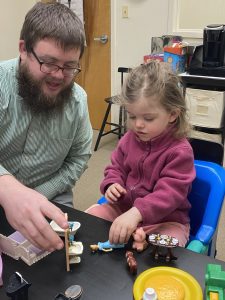
Margaret served on the state Early Hearing Detection and Intervention (EHDI) council from 2018-2024 to “represent the needs of families who have chosen hearing technology and spoken language, at the state level.” She worked with the leadership of the state’s Maternal and Child Health Bureau in coordination with EHDI to recognize the need for improved family support and resources for newly identified children who are DHH.
As the state’s AG Bell chapter president, Margaret oversaw the chapter’s effort to write a grant and fulfill the requirements of the work order from the Maternal and Child Health Bureau by developing a nonprofit, called Beginnings MD. She coordinated with the leadership of Beginnings of NC, the original parent resource group, to model the program after theirs and use some of their materials.
The leadership of Beginnings was encouraging, and the group won a two-year contract from the state for 2023 and 2024 to develop the program.
Margaret met with over 30 audiology clinics throughout the state to let them know about Beginnings MD, so they could refer families to receive support and resources from the program. Each family they worked with received one-on-one sessions with a parent educator to learn about hearing, differences in hearing, language development, auditory skills development, and language options. They provided referrals to the local school systems, connections to local parent support organizations, and information about community events. “The goal is to ensure that every family receives comprehensive, unbiased information about all of their options and that they build a supportive network of family members, professionals, and community members,” Margaret says.
Unfortunately, the future of this program is at risk. Although Beginnings MD is registered as its own nonprofit organization, it relied heavily on state grant funding and referrals. And despite significant work to build relationships among state EHDI coordinators, audiologists and various databases, the state awarded its next round of funding (2025-2030) to the MD chapter of The American Society for Deaf Children (ASDC), handing over the program Margaret and her team had built. Because the new grantee’s sponsoring organization is biased towards ASL, the concern is that parents of newly identified children will no longer receive comprehensive, unbiased information about language and communication choices.
Needless to say, this has been very frustrating and political. “In Maryland, there’s a lot of challenges to providing comprehensive and unbiased support for families,” Margaret explains. “Programs and professionals tend to let their bias related to language development of DHH children be known, and lead families towards their preferred modes of communication. That is why Beginnings MD was so crucial, to try to break that model and give parents information at the point of diagnosis so they can move forward with what choices and resources are right for their family.”
But never one to rest on her laurels, Margaret is dedicated to improving access to LSL in other ways. “We continue to share information with local audiologists to let families know that Beginnings MD is a free resource for families of newly diagnosed children who are DHH,” Margaret says. They meet with families in person or online and provide information and support. They help connect families to their local school system for early intervention services, and help families to find local groups to further their learning opportunities and their ability to meet others on the same path.
And Margaret–who is a force of nature–continues to advocate for funding, donors, and resources to keep the program going—skills she learned as president of AG Bell’s Maryland chapter.
State Chapter of AG Bell
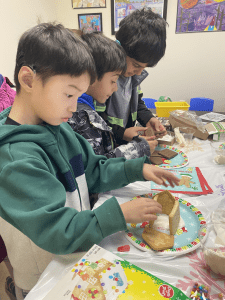
As President of the Maryland Chapter of AG Bell since 2017, Margaret has worked on legislation that was passed to ensure that every parent of a DHH child in Maryland can take a free language class at a local higher education facility, such as a community college. Initially, the legislation was just going to pay for an ASL class but, due to Margaret’s involvement, it was changed to any language. If a parent only speaks Spanish, for example, and wants their DHH child to learn spoken English, they can now take a free class to learn English to use with their child.
It is called the Maryland Hearing Aid and Language Communication Video Loan Bank, because they also added a lot of resources that can be loaned out to families about all communication modes–—not just ASL videos like in the past.
In addition, Margaret has been actively involved in the state’s ongoing legislative process centered around LEAD-K. She is on a team of professionals working to write a piece of legislation that will work to better collect data on DHH children’s language development while supporting and respecting the language/communication mode the parent has chosen.
Margaret has also started a social skills group for the kids in the state chapter. They meet monthly for fun, social activities where they can practice their LSL skills with each other, receive a mini social skills lesson, and then immediately practice those social skills. Parents share their experiences with each other and make connections.
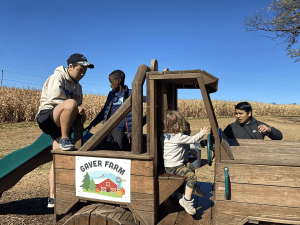
Throughout all of this, Margaret continues to build Beginnings MD activities to reach each family of newly identified children and ensure they are receiving comprehensive and unbiased information about all language development options. After all, she says, “as parents are empowered to make decisions for their child, they become confident partners along their child’s language-learning journey. This leads to children receiving interventions sooner and learning language on par with their hearing peers. Parents who receive our support are better equipped with the knowledge and resources they need to make informed decisions for their child, leading to age-appropriate language outcomes.”
If you would like to support Margaret’s work and vision, please visit www.asoundbeginning.org to learn more, donate, or connect with Margaret and her team.
Lisa A. Goldstein is a freelance journalist with a Master’s in journalism from UC Berkeley. She has been a member of AG Bell since 1982 and has a cochlear implant and digital hearing aid. She currently serves as the president of AG Bell’s PA Chapter.
Mayor capacidad de elección de los padres de Maryland
Especialista certificada en Escucha y Lenguaje Hablado (LSLS, por sus siglas en inglés) desde hace más de 20 años, Margaret Hargrove trabaja incansablemente para instaurar programas imparciales de apoyo a los padres/madres de Maryland, donde es directora de A Sound Beginning, LLC, y presidenta de la sección estatal de AG Bell.
El contacto de Margaret con la pérdida auditiva comenzó con su tía abuela, que tenía sordera profunda y asistió a la escuela St. Mary’s School for the Deaf en Buffalo, N.Y., donde aprendió a comunicarse con la lengua de signos estadounidense (ASL, por sus siglas en inglés). Durante sus estudios de posgrado en la Syracuse University, una de sus prácticas clínicas fue en un programa preescolar público para niños con sordera e hipoacusia. El programa contaba con un aula oral y otra de comunicación total.
«Vi de primera mano cómo prosperaba el desarrollo del lenguaje de los niños en ambas aulas», recuerda Margaret, «pero observé una mejora significativa en la producción del habla en los niños del aula oral». Al combinar tecnología auditiva avanzada con prácticas auditivo-verbales, comprobé que los niños podían ser comunicadores competentes con sus familias y en escuelas del sistema educativo ordinario. La idea de que los niños pudieran permanecer en sus hogares y comunidades con sus hermanos y padres encendió mi pasión por la profesión de la Escucha y el Lenguaje Hablado».
A Sound Beginning
En 2004, Margaret abrió una consulta privada llamada A Sound Beginning en Ellicott City, Maryland, dado que no había consultas privadas en Maryland que contaran con terapeutas auditivo-verbales certificados en LSL (LSLS Cert. AVT). Sigue siendo la propietaria y directora, con dos especialistas en LSLS certificados y otros dos en proceso de certificación. La consulta ofrece terapia individual en LSL, así como algunos programas para grupos pequeños, incluido un grupo de música Baby Beats para niños con la metodología LSL. Margaret se esforzó por convertirse en un proveedor que acepta la mayoría de las principales compañías de seguros, así como Medicaid, para el reembolso, porque deseaba que las familias recibieran los servicios necesarios, independientemente de su situación financiera.
A Sound Beginning ha atendido a más de 300 familias de niños con sordera/hipoacusia, cuyos padres han optado por utilizar tecnología auditiva y maximizar el uso de LSL de sus hijos. La consulta trabaja con tres programas locales de implantes cocleares y más de 20 consultas de audiología de todo el estado para coordinar la terapia con la atención audiológica.
Además de buscar un audiólogo que se incorpore a la consulta, tienen previsto poner en marcha un grupo de juego de LSL para ofrecer oportunidades adicionales de apoyo a los padres y práctica de LSL para niños pequeños y, con el tiempo, un programa preescolar de lenguaje hablado para niños desde el nacimiento hasta los 5 años.
«Estamos buscando oportunidades de financiamiento para seguir desarrollando los programas de audiología y preescolar, y ofrecer un comienzo de LSL a muchos más niños de Maryland», explica Margaret.
Beginnings MD
De 2018 a 2024, Margaret formó parte del consejo estatal de Detección e intervención auditivas tempranas (EHDI, Early Hearing Detection and Intervention), para «representar las necesidades de las familias que eligen la tecnología auditiva y el lenguaje hablado a nivel estatal». Trabajó con la dirección de la Oficina de Salud Materno-Infantil del estado en coordinación con EHDI para que se reconociera la necesidad de mejorar el apoyo familiar y los recursos para los niños con sordera/hipoacusia recién diagnosticados.
Como presidenta de la sección estatal de AG Bell, Margaret supervisó los esfuerzos de la sección para redactar una solicitud de subvención y cumplir los requisitos del contrato de trabajo de la Oficina de Salud Materno-Infantil mediante el desarrollo de una organización sin fines de lucro llamada Beginnings MD. Se coordinó con la dirección de Beginnings of NC, el grupo original de recursos para progenitores, para modelar el programa según el suyo y utilizar algunos de sus materiales.
El liderazgo de Beginnings fue alentador y el grupo obtuvo un contrato estatal de dos años (2023 y 2024) para desarrollar el programa.
Margaret se reunió con más de 30 clínicas de audiología de todo el estado para informarles sobre Beginnings MD, con el fin de que pudieran derivar a las familias para que recibieran apoyo y recursos del programa. Cada familia con la que trabajaron recibió sesiones individuales con un educador de padres para aprender sobre audición, diferencias auditivas, desarrollo del lenguaje, desarrollo de habilidades auditivas y opciones de lenguaje. También ofrecieron derivaciones a los sistemas escolares locales, conexiones con organizaciones locales de apoyo a los padres e información sobre eventos comunitarios. «El objetivo es garantizar que todas las familias reciban una información completa e imparcial sobre todas sus opciones y que construyan una red de apoyo con familiares, profesionales y miembros de la comunidad», afirma Margaret.
Por desgracia, el futuro de este programa se encuentra en riesgo. Si bien Beginnings MD está registrada como una organización sin fines de lucro independiente, depende en gran medida del financiamiento de subvenciones y derivaciones. A pesar del importante trabajo realizado para establecer relaciones entre los coordinadores estatales de EHDI, audiólogos y diversas bases de datos, el estado ha concedido su siguiente ronda de financiamiento (2025-2030) a la sección MD de The American Society for Deaf Children (ASDC), entregándole el programa que Margaret y su equipo han desarrollado. Dado que la organización patrocinadora del nuevo beneficiario tiene una inclinación hacia la ASL, existe la preocupación de que los padres de niños recién diagnosticados ya no reciban información completa e imparcial sobre las opciones de lenguaje y comunicación.
Ni que decir tiene que esta decisión ha sido muy frustrante, además de política. «En Maryland, hay muchos problemas para ofrecer un apoyo completo e imparcial a las familias», explica Margaret. «Los programas y los profesionales tienden a no ser imparciales en cuanto al desarrollo del lenguaje de los niños con sordera/hipoacusia y orientan a las familias hacia sus modos de comunicación preferidos. Por esta razón, Beginnings MD es tan crucial a la hora de romper con este modelo y ofrecer a los padres información en el momento del diagnóstico, de manera que puedan avanzar con las decisiones y los recursos más adecuados para su familia».
Lejos de rendirse, Margaret se dedica a mejorar el acceso a la metodología LSL de otras maneras. «Seguimos compartiendo información con los audiólogos locales para que las familias sepan que Beginnings MD es un recurso gratuito para las familias de niños con sordera/hipoacusia recién diagnosticados», señala Margaret. Se reúnen con las familias en persona o por Internet para facilitarles información y apoyo. Ayudan a las familias a ponerse en contacto con el sistema escolar local para que reciban servicios de intervención temprana. Asimismo, les ayudan a encontrar grupos locales con el fin de que amplíen sus oportunidades de aprendizaje y su capacidad de conocer a otras personas en situaciones similares.
Además, Margaret —una fuerza imparable— realiza actividades de reivindicación para conseguir financiamiento, donantes y recursos con el fin de mantener el programa en funcionamiento, habilidades que aprendió como presidenta de la sección de Maryland de AG Bell.
Sección estatal de AG Bell
Como presidenta de la sección de Maryland de AG Bell desde 2017, Margaret trabajó en una legislación que se aprobó para garantizar que todos los progenitores de niños con sordera/hipoacusia de Maryland puedan tomar clases de idiomas gratuitas en un centro de educación superior local, por ejemplo, una universidad comunitaria. Inicialmente, la legislación solo iba a cubrir el costo de clases de ASL, pero, gracias a la intervención de Margaret, se amplió para incluir cualquier idioma. Por ejemplo, si un progenitor solo habla español y desea que su hijo con sordera/hipoacusia aprenda inglés hablado, actualmente puede tomar clases gratuitas para aprender inglés y utilizarlo con su hijo.
Se llama Maryland Hearing Aid and Language Communication Video Loan Bank (Banco de préstamo de videos sobre audífonos y comunicación lingüística de Maryland), dado que también se han añadido muchos recursos que se pueden prestar a las familias sobre todos los modos de comunicación, no solo videos de ASL, como anteriormente.
Además, Margaret participa activamente en el proceso legislativo estatal en curso centrado en LEAD-K (siglas en inglés de Igualdad y adquisición del lenguaje para niños sordos). Forma parte de un equipo de profesionales que trabajan en la redacción de un proyecto de ley para mejorar la recopilación de datos sobre el desarrollo lingüístico de los niños con sordera/hipoacusia, apoyando y respetando al mismo tiempo el modo de comunicación elegido por los padres.
Margaret también ha creado un grupo de habilidades sociales para los niños de la sección estatal. Se reúnen mensualmente para realizar actividades sociales divertidas en las que pueden practicar sus habilidades de LSL entre ellos, recibiendo una breve lección sobre habilidades sociales y practicándolas de inmediato. Los padres comparten sus experiencias y establecen conexiones entre ellos.
Además de todo esto, Margaret sigue desarrollando las actividades de Beginnings MD para llegar a todas las familias de niños recién diagnosticados y garantizar que reciban una información completa e imparcial sobre todas las opciones de desarrollo del lenguaje. Como dice Margaret: «cuando los padres están capacitados para tomar decisiones por sus hijos, se convierten en grandes aliados en su itinerario de aprendizaje del lenguaje. El resultado es que los niños reciben antes las intervenciones y aprenden el lenguaje al mismo ritmo que sus compañeros oyentes. Los padres que reciben nuestro apoyo están mejor equipados con los conocimientos y los recursos necesarios para tomar decisiones informadas para sus hijos, lo que conduce a unos resultados lingüísticos apropiados para su edad».
Si desea apoyar el trabajo y la visión de Margaret, visite www.asoundbeginning.org para obtener más información, realizar una donación o ponerse en contacto con Margaret y su equipo.
Lisa A. Goldstein es periodista independiente y estudió un máster universitario de periodismo en la Universidad de California en Berkeley. Es miembro de AG Bell desde 1982 y utiliza un implante coclear y un audífono digital.
