
As a teacher of the deaf, often families ask me, “How do I know my child is ready to be successful on their own?” There is frequently a considerable amount of fear/anxiety associated with letting students navigate through their environment independently, especially as children get older and previous supports begin to fade.
In general, being ready for the classroom means students are prepared to learn and ready to participate in the learning process actively. This involves attentiveness and focus, being prepared with materials on hand, having an attitude and openness to learn, and behaving in a way that respects other learners during the process. A classroom-ready student is focused and ready to learn but also recognizes the reciprocal and recursive nature of group discussions and sharing ideas during the learning process. Students can follow the social constructs for conversational turn-taking and allow their classmates to share their ideas without interrupting, remain on topic, and take conversational turns.
An independent learner is someone who takes charge of their learning by being an active participant in the process of “growing their brain”. This is when you see students ask questions, set goals, problem-solve, and responsibly manage their time to complete tasks within a set timeframe or by certain deadlines. If they don’t understand something, an independent learner will ask the teacher or a classmate for help. When faced with a challenge, they try to figure it out on their own before asking for help. For our learners who are deaf and hard of hearing (DHH), this is where advocacy and compensatory skills come into play and can help identify those students who are prepared to navigate their acoustic environment independently.
Compensatory skills are special strategies and techniques that help students with hearing loss succeed in school and everyday life. These skills allow them to adapt and thrive in the real world and general education settings alongside their peers.
As a DHH educator, I am confident that a student is ready to advocate for themselves when they:
Use Visual Aids: Students can use nonfiction text features such as pictures, charts, and videos to help them understand what they are learning. For example, during a science lesson about plants, a student might look at diagrams or videos showing how plants grow instead of only listening to the teacher.
Communicate Effectively: Students can clearly express themselves and identify their needs. For instance, if they don’t understand something, they might raise their hand and ask the teacher to explain it again or use gestures to show they need help. A student must understand when communication breakdowns occur and whether mitigation strategies for the listener or speaker will repair the breakdown. Effective communicators often use repair strategies and are able to complete auditory association, discrimination, memory, closure and figure ground tasks without reminders or prompting to do so.
Are Attached to their Assistive Technology: Students wear their devices all waking hours and can troubleshoot minor issues independently. Students have a positive relationship with their assistive technology and are comfortable educating others about these tools. They recognize tools like hearing aids or FM systems can help students hear better in class and are comfortable using and educating others about how they are beneficial.
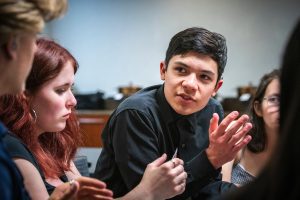 Seek Out Peer Connections and Support: Students have recruited friends or peers for assistance, i.e. sharing notes, and are comfortable negotiating the roles to successfully work in a small group. Oftentimes during group work or study groups, a student can ask a friend to repeat important information or to explain something they missed during a lesson. I see this continually as a DHH educator when students are transitioning from elementary to secondary education settings. The shift moves away from the DHH student relying on an adult as the mitigator between the DHH student and other individuals and is combined with the desire and motivation to be more involved and interact with a peer group.
Can Successfully Self Advocate: Speaking up for themselves is essential. For example, if a student can’t hear the teacher well, they should feel comfortable asking for a seat closer to the front of the class. If the class is too noisy, the student can ask the teacher to develop a shared hand signal that can be used for signaling to reduce the noise. In my experience, I find that the students are the best advocates for what they need and are empowered rather than burdened or embarrassed by their hearing loss. Working through these identities and mindsets can also help students build their confidence and self-esteem as well as give them a semblance of feeling like they have some control despite their daily struggles.
Preparing DHH students to navigate their acoustic environment independently is a vital step in their education. By fostering skills such as effective communication, self-advocacy, and the use of assistive technology, we empower these students to take charge of their learning and engage confidently with their peers. As educators, parents, and community members, it is our responsibility to support and encourage these young learners as well as push them towards independence as they develop the tools they need to succeed in school and beyond. Together, we can help them build a brighter future where they feel comfortable, capable, and can be successful in any environment.
Jennifer Shell lives in Texas. An educator of the deaf for 20+years, she also has a genetic hearing loss. She is the Deaf Educator for the Hill Country Special Education Co-op servicing the rural districts of Doss ISD, Harper ISD, Comfort ISD, and Fredericksburg ISD.
¿Está preparado su hijo(a) para desenvolverse con autonomía en entornos acústicos?
Como profesora de sordos, a menudo las familias me preguntan: «¿Cómo se sabe que un niño está preparado para desenvolverse por su cuenta?». Con frecuencia existe bastante miedo o ansiedad a la hora de dejar que un niño se desenvuelva en el entorno escolar de forma independiente, especialmente a medida que crece y los apoyos que tiene disminuyen.
En general, estar preparado para la escolarización significa estar preparado para aprender y dispuesto a participar activamente en el proceso de aprendizaje. Esto implica atención y concentración, disponer de los materiales requeridos, mostrar una actitud y un deseo de aprender, y comportarse de una manera que se respete a los demás alumnos durante el proceso. Un alumno preparado para la escolarización está centrado y dispuesto a aprender, además de entender la naturaleza recíproca y recurrente de los debates en grupo y que se comparten ideas durante el proceso de aprendizaje. El alumno deberá seguir las convenciones sociales de respetar los turnos de conversación y permitir que los compañeros compartan sus ideas sin interrumpirles, centrándose en el tema en concreto y participar cuando sea su turno.
Un alumno independiente tomará las riendas de su aprendizaje participando activamente en el proceso de «desarrollo de su cerebro». Para ello, planteará preguntas, se fijará objetivos, resolverá problemas y gestionará su tiempo de forma responsable para completar las tareas en un plazo determinado. Si no entiende algo, pedirá ayuda al maestro o a un compañero. Cuando se enfrente a un reto, intentará resolverlo por sí mismo antes de pedir ayuda. En el caso de los alumnos con sordera o hipoacusia, aquí es donde entrarán en juego las habilidades de defensa de sus propios intereses y compensatorias, por lo que se podrá determinar si están preparados para desenvolverse en el entorno acústico de forma independiente.
Las habilidades compensatorias son estrategias y técnicas especiales que ayudan a los alumnos con pérdida auditiva a desenvolverse adecuadamente en la escuela y en la vida cotidiana. Estas habilidades les permiten adaptarse y prosperar en el mundo real y en entornos de educación general junto a sus compañeros.
Como educadora de alumnos con sordera/hipoacusia, estoy segura de que un alumno está listo para defender sus propios intereses cuando:
Utiliza ayudas visuales: El alumno puede utilizar, aparte del texto, otros recursos como imágenes, gráficos y videos que le ayuden a entender lo que está aprendiendo. Por ejemplo, durante una clase de ciencias sobre plantas, un alumno puede acceder a diagramas o videos que muestren cómo crecen las plantas, en lugar de limitarse a escuchar al maestro.
Se comunica eficazmente: El alumno puede expresarse con claridad e identificar sus necesidades. Por ejemplo, si no entiende algo, puede levantar la mano y pedir al maestro que repita la explicación o emplear gestos que demuestren que necesita ayuda. El alumno debe identificar cuándo se produce un fallo de la comunicación y si las estrategias de mitigación del oyente o del hablante repararán el fallo. Los comunicadores eficaces suelen utilizar estrategias de reparación y son capaces de practicar la asociación auditiva, la discriminación auditiva, la memoria auditiva y el cierre auditivo, así como tareas de discriminación figura-fondo auditiva, sin que se les recuerde que deben hacerlo.
Recurre a su tecnología de apoyo: El alumno utiliza sus dispositivos durante todo el día y puede solucionar pequeños problemas de forma independiente. Tiene una relación positiva con su tecnología de apoyo y se siente cómodo dando explicaciones al respecto. Es consciente de que determinadas herramientas, como los audífonos o los sistemas FM, le permiten oír mejor en clase y se siente cómodo utilizándolas y explicando a los demás sus ventajas.
Busca conexiones y apoyo entre sus compañeros: El alumno consigue que amigos o compañeros le ayuden, por ejemplo, compartiendo apuntes, y se siente cómodo en la asignación de roles que permitan que el trabajo en un grupo pequeño se realice con éxito. A menudo, durante el trabajo en grupo o en grupos de estudio, el alumno puede pedir a un amigo que le repita información importante o que le explique algo que se haya perdido durante una clase. Como educadora de alumnos con sordera/hipoacusia, observo que esto sucede con asiduidad cuando el alumno pasa de la educación primaria a la secundaria. El cambio supone una mayor independencia de los adultos como intermediarios entre el alumno con sordera/hipoacusia y otros alumnos. También se aprecia el deseo y la motivación de estar más involucrado e interactuar con un grupo de compañeros.
Es capaz de defender sus propios intereses: Hablar por uno mismo es fundamental. Por ejemplo, si un alumno no oye bien al maestro, debe sentirse cómodo solicitando un asiento más cerca de la parte delantera de la clase. Si la clase es demasiado ruidosa, el alumno puede pedir al maestro que compartan un gesto manual que pueda utilizar para indicar la necesidad de que haya menos ruido. En mi experiencia, los alumnos son los mejores defensores de lo que necesitan y se sienten más capacitados que agobiados o avergonzados por su pérdida auditiva. Trabajar estas identidades y mentalidades también puede ayudar a que los alumnos aumenten su confianza y autoestima, además de que tengan la sensación de que disponen de cierto control a pesar de sus dificultades diarias.
Preparar a los alumnos con sordera/hipoacusia para que se desenvuelvan en su entorno acústico con autonomía es un paso vital en su educación. Fomentando habilidades como la comunicación eficaz, la defensa de los propios intereses y el uso de la tecnología de apoyo, capacitamos a estos alumnos para que se hagan cargo de su aprendizaje y se relacionen con sus compañeros con confianza. Como educadores, padres y miembros de la comunidad, tenemos la responsabilidad de apoyar y animar a estos alumnos, así como facilitarles autonomía a medida que desarrollan las herramientas que necesitan para tener éxito en el ámbito escolar. Juntos, podemos ayudarles a construir un futuro mejor en el que se sientan cómodos y capaces, y puedan desenvolverse con éxito en cualquier entorno.
Jennifer Shell reside en Texas. Es educadora de sordos desde hace más de 20 años y tiene una pérdida auditiva genética. Es la educadora de sordos de la cooperativa Hill Country Special Education Co-op que atiende a los distritos rurales de Doss ISD, Harper ISD, Comfort ISD y Fredericksburg ISD.
