
Literacy support isn’t just for younger students. Older students, including high school, also continue to need support when developing literacy and critical thinking skills. When you think about how best to support literacy in high school students, the first thing to understand is that there’s a shift through the developmental stages of reading and the process of learning to read, where students are now reading for a specific learning purpose to form their own ideas and opinions.
Reading for Deeper Understanding
High school literacy typically corresponds to “stage 4: multiple viewpoints” of Chall’s Stages of Reading Development1, where students ages 14-18 learn to read and analyze complex texts with multiple perspectives. They move from “reading to learn” to “reading for deeper understanding,” which includes critically evaluating different viewpoints and constructing their own knowledge and arguments based on these texts.1,2,3
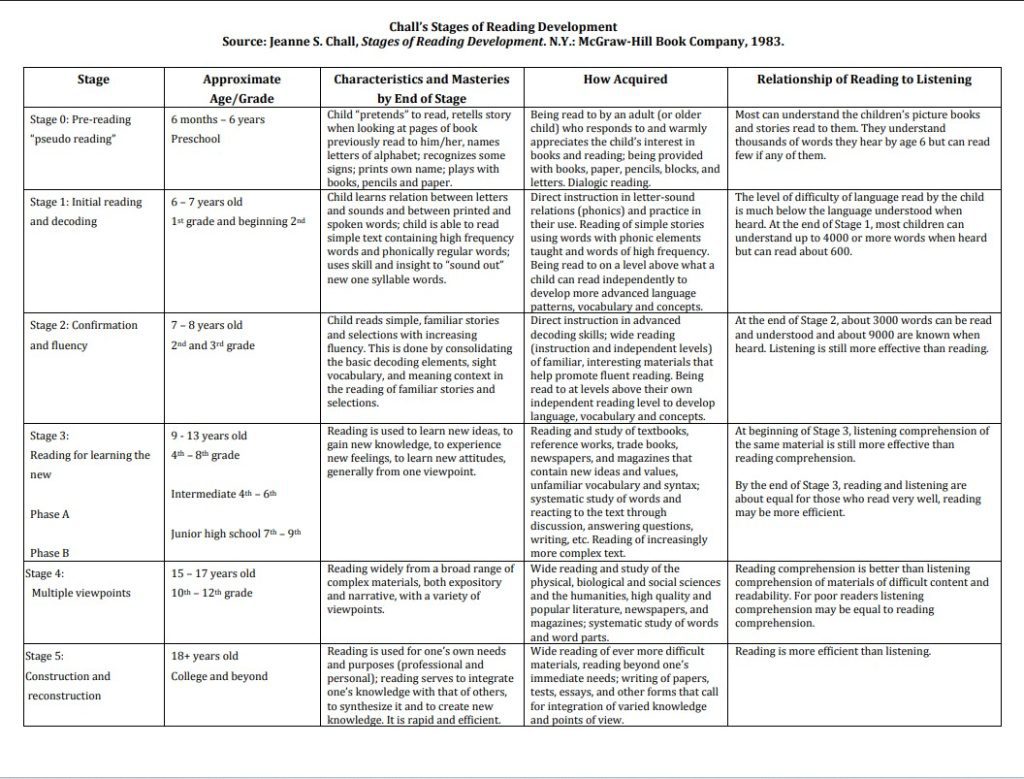
Listening comprehension often trumps reading comprehension in the early stages of reading development, whereas as the children mature, the opposite occurs. It is important to note that the connection between listening and reading changes, where now reading comprehension becomes more efficient than listening comprehension.
These independent learners are now able to take charge of their learning by being active participants in the process of adding new knowledge to their repertoires; they can read and understand more complex passages that present multiple and frequently conflicting points of view. Ensuring students have a safe environment in which they can share and acquire varying viewpoints is important. Can they see why certain people have differing opinions? Can they agree to disagree? Students will ask questions, make connections to the text, problem-solve, and utilize the advocacy skills they have to manage their time wisely and advocate for themselves when communication breakdowns occur or when new information is unclear.
There is a shift in confidence in many high school learners where they no longer rely on an adult to intervene on their behalf and have the desire to navigate through their educational settings independently while advocating for their own needs. They have the desire to interact with their peers and participate in small groups more confidently, often recruiting friends for assistance, sharing notes, and negotiating roles successfully to engage in small groups.
Tips for Supporting Literacy in DHH High School Students
High school literacy for students who are deaf or hard of hearing (DHH) can be supported through a combination of strategies, including the use of visual aids, technologies, and language-rich environments. This can help bridge the transition from “learning to read” and “reading to learn” to understanding complex texts and “multiple viewpoints”.
Effective instruction for high school DHH students incorporates Listening and Spoken Language, written English, and American Sign Language (ASL), depending on the student’s communication choice. Specialized high school literacy instruction often involves breaking down complex texts into smaller parts and providing tools like visual models or graphic organizers. A variety of strategies can be used to support literacy instruction in DHH high school students:
Incorporate multiple communication modes: Use a combination of visuals, spoken language, and written English to reinforce learning, as high school students may use different communication options, such as an ASL/English-bilingual approach. These communication modalities can also be enhanced by memory aids like mnemonic devices: acronyms, acrostics, rhymes, songs, and imagery. Imagery or being able to visualize or create mental images is crucial for DHH students in being able to make connections and remember specific items in a text.
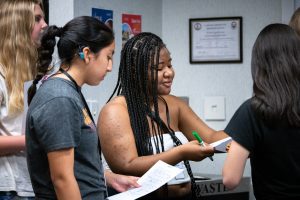 Use visual supports: Support vocabulary acquisition and connections to the text by providing visual aids, such as graphic organizers, visual models, and written notes, to supplement verbal instruction. This understanding or use of non-fiction text features is essential for the success of these students. Can the students interpret data from graphs, tables, diagrams that are incorporated into the texts that they are reading and apply them in a way that helps them connect to the text? Can they compare and contrast similar and opposing viewpoints?
Utilize technology: Employ assistive technology like microphones and soundfield amplification systems to improve listening clarity. Digital tools, e-books, and apps that support phonics can also be beneficial. Many of my middle and high school students use bluetooth or directly connect to their school devices when using technology which allows them to block out auditory distractions and focus more easily on the text or what they are reading. Additionally, they often encourage peers to use the Roger DM Microphone transmitter when working in groups and readily advocate for their groups to be spaced out for optimal use of the microphone without interference.
Break down complex texts: Introduce new concepts in small, manageable steps. For students on alternate achievement standards, use essential understandings (EUs) to break down complex content into prerequisite skills. Understanding the building blocks of prerequisite skills needed to be successful can help students take ownership of reviewing items to ensure they can be successful with later skills.
Support learning to learn: At the high school level, the shift to understanding “multiple viewpoints” requires skills in critical and dynamic literacy, such as analyzing and engaging with complex texts as well as determining character’s motive or reasoning behind their actions. Encourage students to read and deepen their understanding of the value of literacy and its real-life application. Do they have a favorite author or genre for reading for pleasure? Do they have particular areas of interest they’d like to explore or learn more about? Do they have an opinion or viewpoint they’d like to debate with someone?
Address visual and auditory fatigue: Recognize that DHH students may experience visual fatigue from processing visual information all day and auditory fatigue from performing compensatory skills related to their ability to perceive sound—auditory association, auditory discrimination, auditory memory, auditory closure, and auditory-figure ground tasks—throughout their educational day. Provide breaks and a supportive learning environment.
 Provide direct instruction: Offer specialized instruction from teachers of the deaf or itinerant teachers who can work with DHH students in their general education classes. Check in with your student’s teachers and see what additional support they or their DHH student might need.
Promote family and peer involvement: Engage family members and peers in literacy activities to create a language-rich environment and reinforce skills. When disagreeing, acknowledge your teen’s feelings while also clearly explaining where you are coming from and invite them to do the same. Families that model reading and have literacy ingrained in their home routines encourage a positive association between literacy and its benefits. These children often develop those same beneficial literacy-rich behaviors in their own routines as a result.
Offer extracurricular resources: Consider resources from organizations that provide additional training, real life application, and scholarships for DHH students. Sertoma, AG Bell, and Gallaudet offer scholarships for DHH students. In Texas, The Texas Workforce Commission offers a tuition waiver program for DHH students for college. Many local education service centers also offer programs such as Region 20’s ACCESS program, which provides instruction and community-based learning opportunities to help post-high school DHH students. In high school, career and college readiness and assisting these DHH students to develop a transition plan for the workforce, career training, and higher education is a logical next step so seeking out resources for these purposes has a meaningful, real-life application.
High School is preparation for the final stage of literacy, Stage 5: Construction and Reconstruction (Ages 18+/College and beyond)1. Students move beyond the stage of reading for learning and analyzing existing information to constructing their own knowledge and creating new theories or arguments from multiple sources. At this stage, reading comprehension surpasses listening comprehension allowing students to seek out meaningful opportunities to read for their own purpose and desires.
Jennifer Shell lives in Texas. An educator of the deaf for 20+years, she also has a genetic hearing loss. She is the Deaf Educator for the Hill Country Special Education Co-op servicing the rural districts of Doss ISD, Harper ISD, Comfort ISD, and Fredericksburg ISD.
References
- Developmental Stage of Reading. Florida Department of Education. Accessed December 2025 from https://fl-pla.org/independent/elementary/LAandR/section1/1a.htm.
- Chall, J. S. (1983). Stages of reading development. New York, NY: McGraw-Hill.
- Literacy Development in Children: 5 Literary Development Stages. Maryville University. Accessed December 2025 from https://slp.maryville.edu/blog/literacy-development-in-children/#:~:text=Emergent%20literacy:%20sing%20the%20ABCs,longer%20texts%20such%20as%20books.
Apoyo de la lectoescritura en alumnos de secundaria con sordera o hipoacusia
El apoyo a la lectoescritura no es solo para los alumnos más jóvenes. Los alumnos mayores, incluidos los de secundaria, también siguen necesitando apoyo para desarrollar sus habilidades de lectoescritura y pensamiento crítico. Al plantearse la mejor manera de apoyar la lectoescritura en los alumnos de secundaria, lo primero que hay que entender es el cambio que se produce en esta etapa en cuanto al desarrollo de la lectura y su proceso de aprendizaje, dado que los alumnos empiezan a leer con un objetivo de aprendizaje específico, con el fin de formar sus propias ideas y opiniones.
Leer para comprender mejor
La lectoescritura en la escuela secundaria suele corresponder a la «etapa 4: múltiples puntos de vista» de las Etapas de desarrollo de la lectura de Chall1, en la que los alumnos de entre 14 y 18 años aprenden a leer y analizar textos complejos con múltiples perspectivas. Pasan de «leer para aprender» a «leer para comprender mejor», lo que incluye evaluar críticamente diferentes puntos de vista y construir sus propios conocimientos y argumentos basados en estos textos.1,2,3
La comprensión auditiva suele superar a la comprensión lectora en las primeras etapas del desarrollo de la lectura, mientras que, a medida que los niños maduran, ocurre lo contrario. Es importante señalar que la relación entre la comprensión auditiva y la comprensión lectora cambia, de modo que la comprensión lectora pasa a ser más eficiente que la comprensión auditiva.
Estos alumnos independientes son capaces de asumir el control de su aprendizaje, participando activamente en el proceso de añadir nuevos conocimientos a su repertorio; pueden leer y comprender pasajes más complejos que presentan múltiples puntos de vista, a menudo contradictorios. Es importante procurar que los alumnos dispongan de un entorno seguro en el que puedan compartir y adquirir distintos puntos de vista. ¿Pueden entender por qué determinadas personas tienen opiniones diferentes? ¿Pueden aceptar que no estén de acuerdo? Los alumnos formularán preguntas, establecerán conexiones con el texto, resolverán problemas y utilizarán las habilidades de «autodefensa» que poseen para gestionar el tiempo de una manera eficaz y defender sus intereses cuando se produzcan fallos de comunicación o cuando la información facilitada no sea clara.
En muchos alumnos de secundaria se observa un cambio en la seguridad personal al no depender de un adulto que intervenga en su nombre y muestran ganas de desenvolverse de una manera independiente en su entorno educativo, al tiempo que defienden sus propias necesidades. Desean interactuar con sus compañeros y participar en pequeños grupos con una mayor confianza, a menudo recurriendo a amigos para que les ayuden, compartiendo apuntes y negociando los roles de participación en pequeños grupos.
Consejos para apoyar la lectoescritura en alumnos de secundaria con sordera/hipoacusia
La lectoescritura en la educación secundaria de los alumnos con sordera/hipoacusia se puede reforzar mediante una combinación de estrategias, que incluyen el uso de ayudas visuales, tecnologías y entornos con una gran riqueza de lenguaje. De esta manera, se facilitará la transición de «aprender a leer» y «leer para aprender» a la comprensión textos complejos y «múltiples puntos de vista».
Una enseñanza eficaz de los alumnos de secundaria con sordera/hipoacusia incorporará la Escucha y el Lenguaje Hablado, el inglés escrito y la lengua de signos estadounidense, en función de la opción de comunicación del alumno. La enseñanza especializada de la lectoescritura en la educación secundaria suele implicar la fragmentación de textos complejos en partes más pequeñas y la provisión de herramientas, como modelos visuales u organizadores gráficos. Se pueden utilizar diversas estrategias para apoyar la enseñanza de la lectoescritura en los alumnos de secundaria con sordera/hipoacusia:
Incorporar múltiples modos de comunicación: Se debe utilizar una combinación de elementos visuales, lenguaje hablado e inglés escrito para apoyar el aprendizaje, ya que los alumnos de secundaria pueden utilizar diferentes opciones de comunicación, como un enfoque bilingüe ASL/inglés. Estas modalidades de comunicación también se pueden reforzar con ayudas de memorización y recursos mnemotécnicos: acrónimos, acrósticos, rimas, canciones e imágenes. Las imágenes o la capacidad de visualizar o crear imágenes mentales son fundamentales para que los alumnos con sordera/hipoacusia puedan establecer conexiones y recordar elementos específicos de un texto.
Utilizar apoyos visuales: Se debe fomentar la adquisición de vocabulario y las conexiones con el texto facilitando ayudas visuales, como organizadores gráficos, modelos visuales y notas escritas, que complementen la enseñanza verbal. La comprensión o el uso de las características de los textos de no ficción es esencial para que estos alumnos se desenvuelvan con éxito. ¿Pueden los alumnos interpretar los datos de los gráficos, tablas y diagramas que se incluyen en los textos que leen y aplicarlos de manera que les ayuden a conectar con el texto en cuestión? ¿Pueden comparar y contrastar puntos de vista similares y opuestos?
Utilizar la tecnología: Se debe emplear tecnología de asistencia, como micrófonos y sistemas de amplificación de campo sonoro, para mejorar la claridad auditiva. Las herramientas digitales, los libros electrónicos y las aplicaciones que refuerzan la fonética también pueden ser beneficiosos. Muchos de mis alumnos de secundaria y preparatoria utilizan Bluetooth o conectan directamente sus dispositivos tecnológicos a los sistemas escolares para neutralizar las distracciones auditivas y concentrarse con mayor facilidad en el texto o en lo que estén leyendo. Además, suelen animar a sus compañeros a que utilicen el transmisor de micrófono Roger DM cuando trabajan en grupo y defienden la necesidad de que sus grupos dispongan del espacio adecuado para un uso óptimo del micrófono sin interferencias.
Fragmentar textos complejos: Los nuevos conceptos se deben presentar en pasos pequeños y manejables. En el caso de los alumnos con estándares de desempeño alternativos, se deben utilizar los conocimientos esenciales para fragmentar contenidos complejos en habilidades previas necesarias. La comprensión de los componentes básicos de las habilidades previas necesarias para tener éxito puede ayudar a los alumnos a asumir la responsabilidad de repasar los elementos necesarios que les permitan la adquisición de habilidades posteriores.
Apoyar el aprendizaje para aprender: En el nivel de secundaria, el cambio hacia la comprensión de «múltiples puntos de vista» requiere habilidades de lectoescritura crítica y dinámica, como analizar e interactuar con textos complejos, además de determinar los motivos o el razonamiento de los personajes que justifican sus acciones. Se debe animar a los alumnos a leer y a profundizar su comprensión del valor de la lectoescritura y su aplicación en la vida real. ¿Hay algún autor o género que les guste personalmente? ¿Tienen áreas de interés particulares que les gustaría explorar o sobre las que les gustaría aprender más? ¿Tienen alguna opinión o punto de vista que les gustaría debatir con alguien?
Abordar la fatiga visual y auditiva: Se debe tener en cuenta que los alumnos con sordera/hipoacusia pueden experimentar fatiga visual por procesar información visual durante todo el día y fatiga auditiva por realizar habilidades compensatorias relacionadas con su capacidad para percibir el sonido (asociación auditiva, discriminación auditiva, memoria auditiva, cierre auditivo y tareas de discriminación figura-fondo auditiva) a lo largo de la jornada escolar. Se deben facilitar descansos y un entorno de aprendizaje propicio.
Proporcionar instrucción directa: Se debe ofrecer instrucción especializada por parte de profesores de sordos o profesores itinerantes que puedan trabajar con los alumnos con sordera/hipoacusia en sus clases de educación ordinaria. Se debe consultar con los maestros del alumno y averiguar qué apoyo adicional podrían necesitar ellos o el alumno con sordera/hipoacusia.
Fomentar la participación de la familia y los compañeros: Se debe fomentar la participación de familiares y compañeros en actividades de lectoescritura para crear un entorno con una gran riqueza de lenguaje y reforzar las habilidades. Cuando un adolescente discrepe en alguna cuestión, se deben reconocer sus sentimientos y, al mismo tiempo, explicarle con claridad el propio punto de vista e invitarle a que haga lo mismo. Las familias que dan ejemplo con la lectura y tienen la lectoescritura arraigada en sus rutinas domésticas fomentan una asociación positiva entre la lectoescritura y sus beneficios. Como resultado, estos niños suelen desarrollar esos mismos comportamientos que fomentan la lectoescritura en sus propias rutinas.
Ofrecer recursos extracurriculares: Se deben considerar los recursos de organizaciones que ofrecen formación adicional, aplicaciones en la vida real y becas para alumnos con sordera/hipoacusia. Sertoma, AG Bell y Gallaudet ofrecen becas para alumnos con sordera/hipoacusia. En Texas, la Texas Workforce Commission ofrece un programa de exención de matrícula universitaria para alumnos con sordera/hipoacusia. En un gran número de centros locales de servicios educativos también se ofrecen programas, como el programa ACCESS de la Región 20, que proporciona instrucción y oportunidades de aprendizaje basadas en la comunidad para ayudar a los alumnos con sordera/hipoacusia después de la etapa de secundaria. En la educación secundaria, el siguiente paso lógico lo constituye la preparación para la carrera profesional y la universidad, así como la ayuda a estos alumnos con sordera/hipoacusia a desarrollar un plan de transición hacia el mercado laboral, la formación profesional y la educación superior, por lo que la búsqueda de recursos con estos fines tiene una aplicación significativa en la vida cotidiana.
La educación secundaria es la preparación para la etapa final de la lectoescritura, la etapa 5: Construcción y reconstrucción (mayores de 18 años/universidad y estudios posuniversitarios)1. Los alumnos pasan de la etapa de leer para aprender y analizar la información existente a desarrollar sus propios conocimientos y crear nuevas teorías o argumentos a partir de múltiples fuentes. En esta etapa, la comprensión lectora supera a la comprensión auditiva, lo que permite a los alumnos buscar oportunidades significativas de lectura con fines y motivaciones propios.
Jennifer Shell reside en Texas. Es educadora de sordos desde hace más de 20 años y tiene una pérdida auditiva genética. Es la educadora de sordos de la cooperativa Hill Country Special Education Co-op que atiende a los distritos rurales de Doss ISD, Harper ISD, Comfort ISD y Fredericksburg ISD.
Referencias bibliográficas
- Developmental Stage of Reading. Florida Department of Education. Consultado en diciembre de 2025 en https://fl-pla.org/independent/elementary/LAandR/section1/1a.htm.
- Chall, J. S. (1983). Stages of reading development. New York, NY: McGraw-Hill.
- Literacy Development in Children: 5 Literary Development Stages. Maryville University. Consultado en diciembre de 2025 en https://slp.maryville.edu/blog/literacy-development-in-children/#:~:text=Emergent%20literacy:%20sing%20the%20ABCs,longer%20texts%20such%20as%20books.
