
Elani Borhegyi recently became the first deaf person to make their journey from Montana to Ushuaia, Argentina, mostly by bicycle. Elani, whose pronouns are they/them/theirs, may also be the first non-binary individual to travel across most of the Americas this way.
The latest in a string of achievements, this trip is the culmination of a long-held dream.
Hearing Loss Journey
Elani’s hearing loss was discovered through newborn hearing screening. They received their first cochlear implant at age 1, followed by the second at age 5. They were mainstreamed from public kindergarten on.
Elani’s parents are quick to point out that it might be misleading for someone to infer that Elani just woke up one day and started this amazing journey. “It was an evolution that would take anyone a lot of time, focus, and support from those around you,” Jennifer and George Borhegyi of Newton, Mass., said. “Whether deaf, hard of hearing, or hearing, big achievements take effort for us all, naturally. That’s why we believe that anyone can do great things if they try hard and persist!”
Thriving with Cochlear Implants
Elani appeared in a human-interest story on WCVB Boston at age 5 about attending a mainstream school with cochlear implants. At 6 and 8 years old, they wrote and delivered lectures about the cochlear implant patient perspective at Harvard-MIT’s joint MD-PhD program as part of a course delivered by their CI surgeon. They also wrote and delivered testimony to the Joint Committee on Financial Services in the Massachusetts State House regarding reimbursement rates for pediatric cochlear implant recipients on public health assistance.
In addition to volunteering and advocating about cochlear implants, Elani received awards in high school for English and Spanish as well as for their artwork (they draw, paint, and sculpt). Elani attended the Davidson Honors College at the University of Montana and received several scholarships. They received a BS in Environmental Science & Sustainability, with a minor in Climate Change Studies, and a certificate in Indigenous Knowledge & Environmental Sustainability.
Latin America Dream
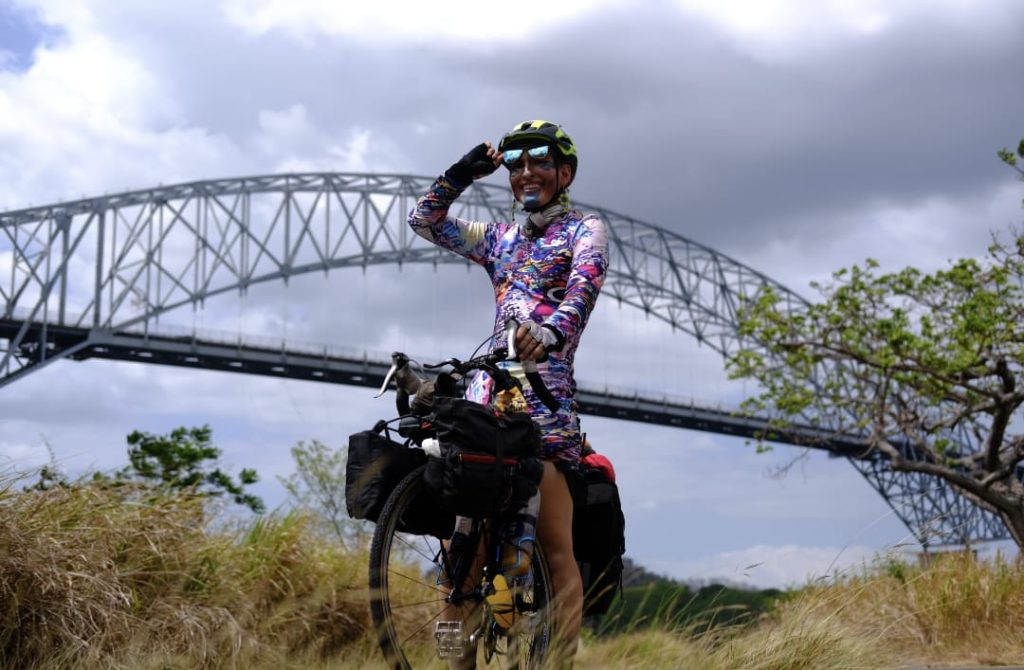
Ever since their first years of elementary school, Elani dreamed of traveling to Latin America. It started with a fascination with the Amazon rainforest in Brazil. They studied Spanish for 12 years starting in sixth grade, knowing this would be important for their dream. After graduating from college, they wanted to take a long trip somewhere before starting a permanent job. Thus, the Latin America backpacking trip was born.
Elani’s parents tried to dissuade them from taking the trip, as they were worried about safety. Elani had ready responses for each of their concerns, and told them they were willing to stop the trip at any point if necessary. Once they saw that Elani had their mind set, they pivoted to being as supportive as possible. The concerns they had would have been the same whether or not Elani had a hearing loss. Despite the unique challenges they knew Elani would face, they knew Elani was resourceful, adaptable, and supremely prepared for the journey.
Elani’s decision to bring a bike was made only a few months prior after feeling jealous upon seeing a friend’s bike trip photos and stories. They bought a bike from FreeCycles, with the goal of biking 100 miles. The plan was to continue if they liked it, and if not, return home and backpack as planned. “I chose such a small goal so that I could commit to something small without getting overwhelmed by the distance,” Elani said. While they fell in love with the bike, it quickly became apparent that they weren’t mentally or physically prepared to do the trip 100% by bike, particularly as they had zero bicycling experience.
To prepare for their trip, Elani did several practice rides and got almost all of their gear from two friends who do bike packing. They did some general reading about every country and got vaccinations and health sheets as if they were going through every country in Latin America.
The distance from Montana to Ushuaia, following the Pan-American highway, is about 20,000 kilometers. To do the trip “mostly by bike,” they would need to bike at least 10,000 kilometers. However, the route does not take into account any deviations if one wants to see more attractions along the way. As a result, Elani said, most people end up traveling much further than the official distance. In their case, they traveled a total of 29,554 kilometers, of which 11,836 were on the bike. They cycled an average of 72 kilometers per day. Elani left Missoula, Montana, on October 19, 2023, and arrived in Ushuaia, the world’s most southernmost city in Argentina, on February 20, 2025.
Most days Elani biked without a cycling partner, but does not call this a solo journey, as they received the help of hundreds of family members, friends, and mostly, strangers. “There is not a single day on the road in which I did not benefit from the kindness or help of strangers, whether they gave me a hot meal, someone to talk to, or helped with directions,” they said. “Despite being solo, I was never alone.”
The trip was financed mostly through Elani’s savings, though they found ways to stretch their money, like staying with locals (finding them through apps like Couchsurfing and Warmshowers). When they couldn’t stay with locals, they slept in fire stations, churches, police stations, or wild camped (camping in non-designated campsites). Hostels were a last resort.
Sometimes Elani volunteered in return for food and/or a place to stay. They are also a drag performer, and made a small amount of money through shows.
They have been chronicling their journey on Instagram and Facebook.
Traveling with a Hearing Loss
Because Elani has used cochlear implants from a young age, they were already used to traveling with them. They backpacked throughout high school and college, so they also had experience using them “off the grid.” As a result, day-to-day, traveling with a hearing loss was not especially challenging. Even conversing in Spanish wasn’t any more difficult than conversing in English. “I actually spoke and understood Spanish better than most of my fellow cyclists,” Elani said.
Elani’s hearing loss became a challenge when they needed new cochlear implant parts. One time in Costa Rica, they accidentally got stuck at sea during high tide, resulting in their disposable battery holders getting soaked. They only discovered that they no longer worked two weeks later when they had made plans to fly to Barranquilla, Columbia. The parts had to be shipped to their parents’ house, who then shipped it to Columbia. Elani called this a nightmare.
When telling people about their hearing loss or if people saw their cochlear implant, the reaction wasn’t much more than, “Wow, that’s interesting!” Their favorite interactions were meeting other deaf people and signing with them, “though my sign language is elementary at best, and it is hard to communicate across different signing dialects,” Elani said.
Lessons Learned
Elani has learned so much about themself and the world. Now they have a greater sense of self-worth and more appreciation for their body. “I have learned the importance of taking breaks and time to heal and process,” they said. “I have learned that I am much more capable than I initially thought.”
Elani learned that danger is relative to your own comfort levels. They gained a sense of who to trust and when, ultimately becoming more trusting of strangers. “I realized that Latin America is a much safer place than the United States makes it out to be,” they added. “I learned that a little kindness goes a long way no matter where you are.”
Most of all, Elani saw many common themes in their travels. “LGBTQ people, particularly transgender people, face discrimination across every country I visited,” they said. “Exploitation was an extremely common theme, with many people I met and stayed with living paycheck to paycheck and being underpaid or undervalued for their work. Environmental destruction was common, though ironically the countries with the most environmental destruction had the most people passionate about environmental protection. Indigenous people face loss of their languages and culture all across the Americas, particularly from gas, mining, and timber industries. Another common theme was complicated relationships with the United States. Most Latin American countries have had U.S. interference in their democracies and economies at one point or another.”
Elani’s parents call themselves Elani’s biggest fans. They said it has been amazing watching the journey. “Elani has become more confident and sure of themself, but also more vulnerable and able to talk to and relate to a great variety of people,” their parents shared.
What’s Next?
Elani has only completed the first half of their trip. The second half will involve biking and backpacking from Ushuaia back to the United States. The plan is to stay in Argentina for a few more months, and then travel to Uruguay, Brazil, and the Guyanas before planning the timeline for their return to the U.S. If all goes according to the current plan, Elani will make it back to Missoula in June of 2026.
Elani hopes that their trip inspires people, especially those who are deaf and/or LGBTQ, to be more adventurous. “You do not have to bike across the Americas to be adventurous!” they said. “If traveling the next state over is adventurous for you, go for it! If you push yourself out of your comfort zone a little, no matter in which way, that is very brave and I am proud of you.”
Addressing parents of children with hearing loss about letting them follow their dreams, as scary as that might be, Jennifer and George said, “You know how you raised your child. If they are now independent, self-advocating adults, you have done your job, and you really (should) have no choice but support them in their dreams.” For parents of younger children, they said it is important – especially as parents of children with hearing loss – to provide children with the support and technology they need to succeed, along with the encouragement to follow their dreams and to instill that they can accomplish whatever they set their mind to. In fact, they often joke that they did too good a job with this. “Frankly, Elani might be a bit too fearless!”
Elani had some last words of inspiration. “In times where LGBTQ and disabled people are at more risk than ever in the U.S., we need to stand up and stand out! I am the first deaf person to tour the Americas mostly biking and backpacking, and I really, really hope that I am not the last! If even one person like me is inspired to be a bit more adventurous in their lives, my mission is complete.”
You can keep up with Elani on their adventures via Instagram and Facebook!
Un sueño hecho realidad: de Estados Unidos a Argentina en bicicleta
Elani Borhegyi se ha convertido recientemente en la primera persona sorda en documentar su viaje desde Montana hasta Ushuaia (Argentina), en su mayor parte en bicicleta. También es posible que sea la primera persona no binaria (que en inglés utiliza los pronombres “they/them/theirs”) que recorre la mayor parte del continente americano de esta forma.
Este viaje, el último de una serie de logros, es la culminación de un sueño perseguido desde hace tiempo.
El itinerario de la pérdida auditiva
La pérdida auditiva de Elani se descubrió a través de un cribado auditivo neonatal. Recibió el primer implante coclear cuando tenía un año y el segundo a los cinco años. Desde la guardería pública se integró en el sistema educativo ordinario.
Los padres de Elani se apresuran a señalar que podría ser engañoso que alguien dedujera que Elani se despertó un día y empezó este increíble viaje. «Ha sido una evolución que a cualquiera le llevaría mucho tiempo, concentración y apoyo de los que le rodean», aseguran Jennifer y George Borhegyi, de Newton, Massachusetts. «Tanto si se tiene sordera o hipoacusia o se oye con normalidad, los grandes logros nos suponen a todos un esfuerzo, como es natural. ¡Por eso creemos que cualquier persona puede realizar grandes logros con esfuerzo y persistencia!».
Desenvolverse en la vida con implantes cocleares
Elani apareció en un reportaje de interés humano en WCVB Boston a los 5 años sobre su asistencia a una escuela ordinaria con implantes cocleares. A los 6 y 8 años, escribió e impartió conferencias sobre la perspectiva del paciente con implantes cocleares en el programa conjunto de doctorado de Harvard-MIT como parte de un curso impartido por su cirujano especialista en implantes cocleares. También escribió y presentó un testimonio ante el Comité Conjunto de Servicios Financieros de la Cámara de Representantes del Estado de Massachusetts sobre las tasas de reembolso para los receptores de implantes cocleares pediátricos que reciben asistencia sanitaria pública.
Además de su labor de voluntariado y defensa de los implantes cocleares, Elani recibió premios en la escuela secundaria por las asignaturas de inglés y español, así como por sus obras de arte (dibuja, pinta y esculpe). Elani asistió al Davidson Honors College de la Universidad de Montana y recibió varias becas. Se licenció en Ciencias Medioambientales y Sostenibilidad, con especialización en Estudios sobre el Cambio Climático, y obtuvo un certificado en Conocimiento Indígena y Sostenibilidad Medioambiental.
El sueño latinoamericano
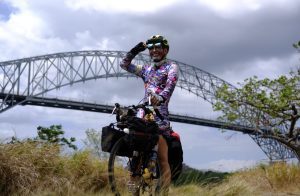
Desde sus primeros años en la escuela primaria, Elani soñaba con viajar a Latinoamérica. Empezó con una fascinación por la selva amazónica de Brasil. Estudió español durante 12 años a partir de sexto curso, sabiendo que sería importante para cumplir su sueño. Al acabar la universidad, se propuso realizar un viaje largo a algún lugar antes de empezar un trabajo fijo. De esta forma, surgió el viaje por Latinoamérica con la mochila a cuestas.
Sus padres intentaron disuadirle de que hiciera el viaje, dado que les preocupaba su seguridad. Elani tenía respuestas preparadas para cada una de sus preocupaciones y les aseguró que detendría el viaje en cualquier momento si fuera necesario. Una vez que vieron que Elani había tomado la decisión, le ofrecieron todo su apoyo. Las preocupaciones que sentían habrían sido las mismas tanto si Elani tenía una pérdida auditiva como si no. Pese a los desafíos singulares que sabían que se encontraría en el camino, confiaban en su ingenio, su capacidad de adaptación y su excelente preparación para la travesía.
Elani tomó la decisión de viajar en bicicleta unos meses antes, tras conocer las fotografías y los relatos del viaje en bicicleta de un amigo. Se compró una bicicleta en FreeCycles con la idea de recorrer 100 millas. El plan era continuar si le gustaba. En caso contrario, volvería a casa y realizaría el viaje con la mochila, tal como lo había planeado. «Elegí un objetivo poco ambicioso para poder comprometerme sin sentir miedo por la distancia», explica Elani. Aunque la bicicleta le encantó, pronto quedó claro que no tenía preparación —ni mental ni física— para hacer todo el viaje pedaleando, especialmente porque no tenía ninguna experiencia previa en esta forma de transporte.
Para prepararse, realizó varias salidas de prueba y consiguió casi todo su equipo gracias a dos amigos acostumbrados a viajar con la mochila en bicicleta. También leyó información general sobre cada país, se vacunó y preparó fichas médicas como si fuera a cruzar todos los países de Latinoamérica.
La distancia de Montana a Ushuaia, siguiendo la carretera Panamericana, es de unos 20.000 kilómetros. Para hacer el viaje «mayoritariamente en bicicleta», necesitaría recorrer al menos 10.000 kilómetros. Sin embargo, esta ruta no contempla desvíos para visitar otros lugares de interés. Según Elani, por esta razón, la mayoría de las personas termina recorriendo mucho más que la distancia oficial. En su caso, recorrió un total de 29.554 kilómetros, de los cuales 11.836 fueron en bicicleta. Pedaleó un promedio de 72 kilómetros al día. Salió de Missoula, Montana, el 19 de octubre de 2023 y llegó a Ushuaia, la ciudad más austral del mundo, en Argentina, el 20 de febrero de 2025.
La mayoría de los días pedaleó sin compañía, pero no considera que fuera un viaje en solitario, ya que recibió la ayuda de cientos de personas: familiares, amistades y, sobre todo, desconocidos. «No hubo un solo día en la carretera en el que no recibiera un gesto amable o la ayuda de un desconocido, ya fuera una comida caliente, una conversación o una indicación», asegura. «A pesar de viajar en solitario, nunca sentí la soledad».
El viaje se financió principalmente con los ahorros de Elani, aunque encontró formas de estirar el dinero, como alojarse en casas locales (a través de aplicaciones como Couchsurfing y Warmshowers). Cuando no podía alojarse en casas locales, dormía en parques de bomberos, iglesias, comisarías de policía o acampaba donde podía. Los albergues eran el último recurso.
A veces, Elani se ofrecía para realizar trabajos a cambio de comida o un lugar donde quedarse. También es artista de drag y obtuvo algún dinero con sus espectáculos.
Ha ido documentando su viaje en Instagram y Facebook.
Viajar con pérdida auditiva
Dado que Elani utiliza implantes cocleares desde su infancia, ya se había acostumbrado a desplazarse con ellos. Había viajado con mochila durante la secundaria y la universidad, así que también tenía experiencia utilizándolos «fuera de la red» (eléctrica o de servicios). Por esta razón, viajar con pérdida auditiva no le resultó especialmente difícil en el día a día. Ni siquiera conversar en español le supuso mayor reto que hacerlo en inglés. «De hecho, hablaba y entendía el español mejor que la mayoría de mis compañeros ciclistas», afirma Elani.
El problema surgió cuando necesitó piezas nuevas para sus implantes cocleares. En una ocasión, en Costa Rica, la marea alta le pilló en medio del mar, lo que provocó que los portapilas desechables se empaparan. No se dio cuenta de que habían dejado de funcionar hasta dos semanas después, cuando ya tenía planes para volar a Barranquilla, Colombia. Las piezas tuvieron que enviarse primero a casa de sus padres, quienes luego se las mandaron a Colombia. Elani describe la experiencia como una pesadilla.
Cuando hablaba de su pérdida auditiva o alguien veía su implante coclear, la reacción habitual no era mucho más que: «¡vaya, qué interesante!». Sus interacciones favoritas fueron los encuentros con otras personas con sordera, con quienes podía comunicarse en la lengua de signos, «aunque mi nivel es muy básico y resulta difícil comunicarse entre distintos dialectos de signos», explica.
Lecciones aprendidas
Elani ha aprendido muchísimo sobre su persona y sobre el mundo. Ahora tiene un sentido más profundo de su propio valor y una mayor apreciación por su cuerpo. «He aprendido la importancia de tomarse descansos y tiempo para sanar y procesar», asegura. «También he aprendido que soy mucho más capaz de lo que pensaba».
Piensa que el peligro es algo relativo y depende de los propios límites. Aprendió a intuir en quién confiar y cuándo, y con el tiempo, se volvió más confiada con los desconocidos. «Me di cuenta de que Latinoamérica es un lugar mucho más seguro de lo que parece desde Estados Unidos», añade. «Aprendí que con un poco de amabilidad se llega muy lejos, estés donde estés».
Sobre todo, Elani observó muchos temas comunes en sus viajes. «Las personas LGBTQ, especialmente las transgénero, sufren discriminación en todos los países que visité», explica. «La explotación fue un tema recurrente: muchas de las personas que conocí vivían al día y eran mal pagadas o poco valoradas por su trabajo. La destrucción medioambiental era habitual, aunque, irónicamente, los países más afectados eran también los que contaban con más gente en favor de la protección del medioambiente. Los pueblos indígenas se enfrentan a la pérdida de sus lenguas y sus culturas en todo el continente, especialmente debido a las industrias del gas, la minería y la tala. Otro tema común fueron las complicadas relaciones con los Estados Unidos. La mayoría de los países latinoamericanos han sufrido la injerencia estadounidense en sus democracias y economías en algún momento».
Los padres de Elani se consideran sus mayores admiradores. Dicen que ha sido increíble ver cómo ha evolucionado en el camino. «Elani ha adquirido una mayor seguridad personal, pero también una mayor vulnerabilidad y una mayor capacidad de hablar y relacionarse con una gran variedad de personas», opinan.
¿Y ahora qué?
Elani solo ha completado la primera mitad de su viaje. La segunda parte consistirá en regresar desde Ushuaia a Estados Unidos, combinando bicicleta y mochila. El plan es quedarse en Argentina unos meses más y, a continuación, viajar por Uruguay, Brasil y las Guayanas, antes de planificar la ruta de regreso a los Estados Unidos. Si todo se desarrolla según lo previsto, Elani volverá a Missoula en junio de 2026.
Elani espera que su viaje inspire a otras personas, especialmente a aquellas con sordera y/o LGBTQ, a ser más aventureras. «¡No hace falta cruzar el continente americano en bicicleta para vivir una aventura!», asegura. «Si viajar al estado más próximo te parece aventurero, ¡hazlo! Si sales un poco de tu zona de confort, no importa de qué manera, demostrarás que eres valiente y será motivo de orgullo».
Jennifer y George tuvieron unas palabras dirigidas a padres de niños con pérdida auditiva que temen dejar que sus hijos persigan sus sueños: «ustedes saben cómo los han educado. Si ahora son adultos independientes y capaces de defender sus derechos, han hecho un buen trabajo. En realidad, no deberían tener otra opción que apoyarles en sus sueños». Para quienes aún tienen hijos pequeños, opinan que es fundamental —especialmente como padres de niños con pérdida auditiva— proporcionarles el apoyo y la tecnología que necesitan para tener éxito, además de animarlos a perseguir sus sueños e inculcarles que pueden conseguir todo lo que se propongan. De hecho, suelen bromear diciendo que quizá lo hicieron demasiado bien. «Francamente, ¡es posible que Elani sea una persona demasiado intrépida!»
Elani añade unas últimas palabras de ánimo. «En estos momentos en que las personas LGBTQ y con discapacidad corren más peligro que nunca en Estados Unidos, ¡tenemos que alzar la voz y hacernos visibles! Soy la primera persona con sordera que recorre el continente americano, mayormente en bicicleta y como mochilera, ¡y de verdad, de corazón, espero no ser la última! Si tan solo una persona como yo se siente inspirada a ser un poco más aventurera en la vida, habré cumplido mi misión».
Se pueden seguir las aventuras de Elani en Instagram y Facebook!
